
Blog
When Should You Use Bridge Packers?

What Are Bridge Packers?
Bridge packers are specialised glazing packers designed with a raised centre section or cut-out channel that allows them to sit comfortably over screw heads, fixings, or irregular surfaces without compressing or distorting.
They are commonly used in uPVC and aluminium glazing systems where screws often sit close to the glazing area.
Unlike flat packers, which offer full surface contact, bridge packers are built to bridge over obstructions, ensuring the glass unit receives stable and even support.
Why Bridge Packers Are Needed
During window installation, it’s common to have:
- Frame fixing screws running through the reinforcement
- Small bumps or irregularities inside the glazing chamber
- Areas where a flat packer cannot sit flush
- Potential contact points that may put pressure on the sealed unit
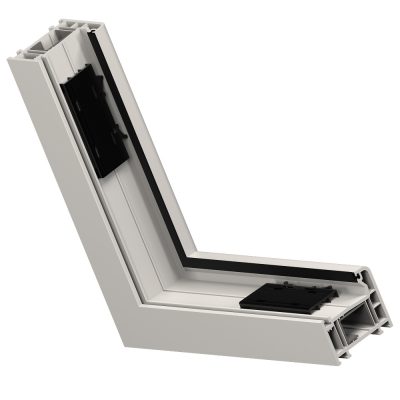
MSBP (Multi System Bridge Packer)
£39.99 Exc. VATPlacing a flat packer on top of a screw head or raised obstruction creates:
- Uneven weight distribution
- Pressure points
- Risk of glass stress or cracking
- Misalignment of the sash
- Frame distortion
Bridge packers, like Multi-System Bridge Packer, eliminate these issues by spanning over the obstruction while maintaining solid support on both sides.
When Should You Use Bridge Packers?
1. When Fixing Screws Sit Directly Under the Glazing Area
If a frame screw passes through the reinforcement at a point where you need to support the glass, a standard flat packer will not sit evenly.
A bridge packer fits perfectly because its raised centre allows the screw head to sit inside the cut-out area.
2. When Packing Over Irregular or Uneven Surfaces
Some uPVC systems have moulded internal features or surfaces that are not perfectly flat.
Bridge packers allow support on both sides of the raised area, keeping the glass stable.
3. When You Need Stable Support Without Pressure on the Middle Section
Certain frames have areas where pressure must be avoided, especially near:
- Mullions
- Transoms
- Reinforcement points
Bridge packers offer partial contact support that prevents pressure being applied to sensitive points.
4. When Fitting Heavy or Large Sealed Units
For heavy glass units, such as large casements or doors, correct support is essential.
Placing a flat packer over a screw head can create a high-stress point, but a bridge packer distributes the weight correctly across both sides of the obstruction.
5. When You Want to Maintain a Clear Drainage Path
In some designs, a flat packer could partially obstruct drainage channels if placed incorrectly.
Bridge packers often improve drainage clearance because of their elevated centre cut-out.
6. When You Need Consistent Alignment in Frames with Internal Fixings
Some modern window systems use internal screws positioned very close to the glazing edge.
Using the wrong packer here can distort the sash or prevent the beads fitting properly.
Bridge packers maintain the correct geometry without interference.
Bridge Packers vs Flat Packers
Use flat packers when:
- The support surface is even
- There are no screws, bumps, or irregularities
- You need full-surface contact
- Weight distribution is uniform
- Toe-and-heel packing is required
Use bridge packers when:
- Screws or fixings sit directly under the glazing point
- The chamber is not level
- There are raised mouldings inside the frame
- A flat packer would create pressure on the sealed unit
- You need to maintain drainage and alignment
Both types are essential, but they solve different problems.
How to Install Bridge Packers Correctly
- Identify the obstruction (typically a screw head)
- Position the bridge packer so the cut-out sits directly over the obstruction
- Make sure both outer edges of the packer are making full, firm contact with the frame
- Do not place packers randomly — follow correct packing points
- Use flat packers for toe-and-heel where needed, and bridge packers only where obstructions exist
Benefits of Using Bridge Packers
- Prevent pressure on glass units
- Avoid cracked sealed units
- Maintain drainage paths
- Ensure even load distribution
- Prevent frame distortion
- Ensure bead fitment is smooth
- Improve long-term sash alignment
Bridge packers often solve problems that installers don’t realise are caused by pressure points under the glass.
Final Thoughts
Bridge packers are a small but essential part of professional glazing. They allow the glass to be supported correctly even when frame fixings or irregular surfaces are present. Using bridge packers in the right locations prevents stress on the sealed unit, improves alignment, and ensures a long-lasting installation.
If you need installer-grade packers, explore: