
Blog
How to Choose the Right Thickness for 32mm Flat Glazing Packers

Choosing the right width is only the first part of buying glazing packers. Once you have decided that a 32mm flat glazing packer is the right width for the job, the next decision is thickness.
The 32mm width gives installers a broader support surface beneath the sealed unit. The thickness controls the amount of lift, spacing, levelling or correction applied during installation.
At GlazingPacker, we stock 32mm × 100mm flat glazing packers in packs of 1000, available in 1mm, 2mm, 3mm, 4mm, 5mm and 6mm thicknesses.
This guide explains when to use each thickness and which sizes installers should buy first.
Quick Thickness Guide
| Thickness | Best used for |
|---|---|
| 1mm | Fine adjustment and final levelling |
| 2mm | Light correction and small spacing changes |
| 3mm | Standard everyday glazing support |
| 4mm | Medium correction and wider support points |
| 5mm | Stronger lift, larger gaps and heavier sealed units |
| 6mm | Maximum standard correction, deep rebates and base support |
For most trade buyers, the most useful starting thicknesses are usually 3mm, 4mm and 5mm.
The 1mm and 2mm sizes are useful for adjustment, while 6mm is worth keeping for larger gaps and heavier support situations.
Why Thickness Matters on 32mm Packers
The 32mm width is useful because it gives the sealed unit a broad seating area. This can help with stability, load spread and support in wider glazing channels or deeper rebates.
But the thickness still needs to be correct.
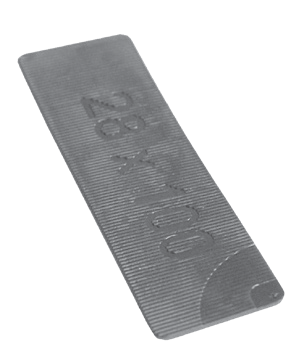
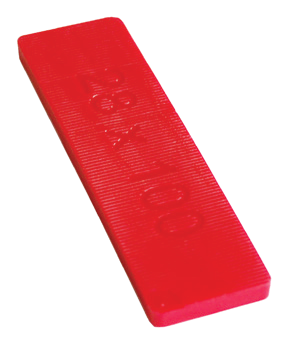
32mm Flat Glazing Packers
Price range: £26.99 through £210.94 Exc. VATIf the packer is too thin, the unit may not be properly supported or levelled.
If the packer is too thick, it may create unnecessary pressure, make the unit sit too high, or force the installation out of alignment.
The aim is to choose the thickness that gives the correct amount of support without over-packing the unit.
1mm 32mm Glazing Packers
Use 1mm 32mm glazing packers when only a very small correction is needed.
This is the fine adjustment thickness. It is useful when the sealed unit is already close to the correct position and only needs a slight lift or final correction.
Typical uses include:
- final levelling
- fine adjustment
- correcting small spacing differences
- combining with thicker packers for precise setup
- finishing work after the main support packers are in place
1mm is not usually the main support thickness for most jobs, but it is very useful to keep available.
When to Buy 1mm in Bulk
Buy 1mm 32mm packers if you regularly need fine adjustment on wider glazing work.
They are especially useful for installers who want accurate control instead of forcing a thicker packer into a space where only a small correction is needed.
For most trade buyers, 1mm should be kept as adjustment stock rather than the highest-volume thickness.
2mm 32mm Glazing Packers
Use 2mm 32mm glazing packers for light correction.
This thickness is useful when 1mm is not enough, but the job still does not need a standard 3mm packer.
Typical uses include:
- small alignment corrections
- light levelling beneath sealed units
- minor unevenness in the glazing channel
- adding support without over-adjusting the unit
- combining with other packers for accurate spacing
2mm gives installers more correction than 1mm while still remaining a lighter adjustment size.
When to Buy 2mm in Bulk
Buy 2mm 32mm packers if your work often involves small but noticeable corrections.
They are useful for installers who work on varied window, door, conservatory or commercial glazing jobs where small differences in support height need to be corrected cleanly.
Like 1mm, 2mm is usually adjustment stock rather than the main high-use thickness.
3mm 32mm Glazing Packers
Use 3mm 32mm glazing packers for standard everyday support where a wider flat packer is required.
This is one of the most useful thicknesses in the 32mm range because it suits a wide range of regular glazing jobs.
Typical uses include:
- standard window glazing
- door glazing
- sealed unit support
- wider glazing channels
- everyday fitting work
- general levelling and spacing
If you are buying 32mm packers for the first time, 3mm is one of the best thicknesses to start with.
When to Buy 3mm in Bulk
Buy 3mm 32mm packers in bulk if you regularly work with wider support points and want a reliable everyday thickness.
For many installers, 3mm will be one of the faster-moving sizes because it is useful for standard support without being too heavy.
A good trade stock setup should usually include strong stock of 3mm.
4mm 32mm Glazing Packers
Use 4mm 32mm glazing packers when the job needs more correction than 3mm provides.
This is a useful middle thickness. It gives more support and lift than 3mm without moving straight to 5mm.
Typical uses include:
- medium gaps
- uneven glazing channels
- moderate level differences
- wider support points
- larger sealed units
- jobs where 3mm is slightly too thin
4mm is especially useful because it fills the gap between standard support and stronger support.
When to Buy 4mm in Bulk
Buy 4mm 32mm packers in bulk if you regularly work on jobs where 3mm is not enough.
For many trade buyers, 4mm should be treated as a core working thickness, especially in wider packer sizes such as 32mm.
It is a practical stock item for installers who want more control across different site conditions.
5mm 32mm Glazing Packers
Use 5mm 32mm glazing packers when the job needs stronger lift or more significant spacing.
This thickness is useful for heavier sealed units, larger glazing gaps and support points where a standard 3mm or 4mm packer is not enough.
Typical uses include:
- larger glazing gaps
- heavier sealed units
- stronger support points
- base support beneath glass units
- wider spacing corrections
- deeper rebates where extra lift is needed
For trade buyers, 5mm is one of the most important thicknesses to keep in stock.
When to Buy 5mm in Bulk
Buy 5mm 32mm packers in bulk if you regularly deal with larger units, heavier sections, conservatories, commercial glazing or curtain walling work.
5mm is a strong working thickness because it gives noticeable support without jumping to the maximum 6mm thickness.
If your work involves heavier glazing, 5mm is likely to be one of your key 32mm sizes.
6mm 32mm Glazing Packers
Use 6mm 32mm glazing packers when the job needs the largest standard correction in this range.
This is the heaviest thickness in the 32mm flat glazing packer range and should be used where substantial spacing or support is required.
Typical uses include:
- large adjustment requirements
- deeper rebates
- uneven openings
- base packing
- load-bearing contact points
- heavier glazing sections
- strong support beneath sealed units
6mm is useful, but it should not be used simply because it is the thickest option. Use it where the installation genuinely needs that level of support or spacing.
When to Buy 6mm in Bulk
Buy 6mm 32mm packers if your work regularly involves larger gaps, deeper rebates or heavier support points.
For many installers, 6mm will not move as quickly as 3mm, 4mm or 5mm, but it is still important to keep available.
It is best treated as specialist support stock rather than everyday stock.
Which 32mm Thicknesses Should Installers Buy First?
If you are buying 32mm flat glazing packers for the first time, start with the thicknesses most likely to be used regularly.
The best starting point is usually:
- 3mm for standard support
- 4mm for moderate correction
- 5mm for stronger support
Then add:
- 1mm and 2mm for fine adjustment
- 6mm for larger gaps and heavier support
This gives installers a complete working range without overbuying every thickness in equal quantities.
Stock Priority for Trade Buyers
A practical stock priority would be:
| Priority | Thicknesses | Reason |
|---|---|---|
| High priority | 3mm, 4mm, 5mm | Most useful for regular support and correction |
| Medium priority | 1mm, 2mm | Important for fine adjustment |
| Specialist priority | 6mm | Useful for larger gaps and heavy support |
For regular trade use, most buyers should keep more stock of 3mm, 4mm and 5mm than the lighter adjustment sizes.
Should You Buy a Full Thickness Set?
A full thickness range is useful if you want flexibility on site.
A full 32mm setup gives you:
- 1mm for fine adjustment
- 2mm for light correction
- 3mm for standard support
- 4mm for medium correction
- 5mm for stronger support
- 6mm for larger gaps and heavy-duty support
This is useful for installers who work across different glazing systems, deeper rebates, conservatories, commercial jobs or repair work where the exact support requirement may not be known before arriving on site.
Should You Buy Single Thickness Packs?
Single thickness packs make sense when you already know which sizes you use most.
For example, if your team regularly runs out of 32mm 5mm packers, it makes sense to buy that thickness separately in bulk.
Single thickness buying is useful for:
- restocking fast-moving sizes
- reducing slow-moving stock
- managing multiple vans
- buying based on actual usage
- keeping warehouse stock organised
The best approach is usually to build a full working range first, then reorder the fastest-moving thicknesses individually.
Using 32mm Packers with Other Widths
32mm packers are useful when a wider support surface is needed, but they should not replace every other flat packer size.
A practical installer stock setup may include:
- 20mm for narrower support points
- 24mm for general-purpose glazing work
- 28mm for wider standard support
- 30mm for extra bearing width
- 32mm for the broadest support points and deeper rebates
Use 32mm when the system has enough space and the sealed unit benefits from the wider support face.
Use a narrower packer when 32mm is more width than the job requires.
Common Thickness Mistakes to Avoid
Avoid these mistakes when choosing 32mm packer thicknesses:
- using 6mm when the job only needs fine adjustment
- buying only one thickness for every job
- ignoring 1mm and 2mm adjustment sizes
- relying only on 3mm when heavier support is needed
- stacking several packers when one correct thickness would be better
- using 32mm packers where a narrower width would fit better
- using flat packers where bridge packers are required
- using timber, cardboard or improvised shims instead of proper plastic packers
The right thickness should match the support requirement, not just what happens to be available in the van.
Simple Buying Guide
Use this guide when choosing 32mm glazing packer thicknesses:
- Buy 1mm for precision adjustment.
- Buy 2mm for light correction.
- Buy 3mm for standard support.
- Buy 4mm for medium correction.
- Buy 5mm for stronger support.
- Buy 6mm for larger gaps and heavier support.
For most installers, the first bulk order should focus on 3mm, 4mm and 5mm, followed by 1mm, 2mm and 6mm for complete coverage.
Final Thoughts
Choosing the right thickness for 32mm flat glazing packers depends on how much lift, spacing or support the installation needs.
For regular trade work, the most useful 32mm thicknesses are usually:
- 3mm for everyday wider support
- 4mm for moderate correction
- 5mm for stronger support
Installers should also keep:
- 1mm and 2mm for fine adjustment
- 6mm for deeper rebates, larger gaps and heavier load-bearing points
A 32mm packer gives a broader support surface, but the thickness still needs to be chosen carefully. The best result comes from matching the correct width and thickness to the frame, sealed unit and support requirement.
Explore our 32mm flat glazing packers in packs of 1000 and choose the thicknesses that match your installation work.