
Blog
30mm vs 32mm Glazing Packers: Which Wider Packer Should You Choose?

When installers need a wider flat glazing packer, the choice often comes down to 30mm vs 32mm glazing packers.
Both sizes are designed for jobs where a standard 20mm, 24mm, or 28mm packer may not provide enough contact area. Both are useful for wider glazing rebates, deeper channels, heavier sealed units, conservatories, commercial glazing, and curtain walling work.
But they are not exactly the same.
A 30mm flat glazing packer is a practical wider option when you need more bearing width than 28mm, but do not necessarily need the widest support face available.
A 32mm flat glazing packer gives an even broader support area and is useful when the job calls for maximum contact within this wider flat packer range.
At GlazingPacker, we stock both 30mm × 100mm and 32mm × 100mm flat glazing packers in packs of 1000, available in 1mm to 6mm thicknesses.
Quick Comparison: 30mm vs 32mm Glazing Packers
| Packer size | Best for | Available thicknesses |
|---|---|---|
| 30mm flat glazing packers | Wider support than 28mm, deeper rebates, larger sealed units, general wider glazing work | 1mm, 2mm, 3mm, 4mm, 5mm, 6mm |
| 32mm flat glazing packers | Maximum wider support area, deeper glazing channels, heavier sections, broader bearing points | 1mm, 2mm, 3mm, 4mm, 5mm, 6mm |
The simple difference is this:
- choose 30mm when 28mm feels slightly too narrow
- choose 32mm when you want the widest flat packer support surface available in this range
Why Installers Use Wider Flat Glazing Packers
Wider flat glazing packers are useful when the sealed unit needs a broader seating area.
This can matter when:
- the glazing rebate is deeper
- the support point is wider
- the sealed unit is heavier
- the installation needs more stable contact
- a narrower packer looks too small for the support area
- the job involves conservatory or curtain walling work
- the installer wants better load spread beneath the unit
A wider packer can help the glass sit more securely when the frame system allows it.
However, wider is not always better. The correct packer is the one that fits the glazing system properly without interfering with drainage, gaskets, beads, or profile details.
What Are 30mm Glazing Packers?
30mm glazing packers are wide flat plastic packers used to support, level, space, and align sealed units within window and door frames.
They are wider than 20mm, 24mm, and 28mm packers, making them useful where the installer needs extra bearing width.
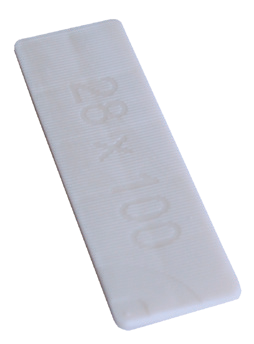
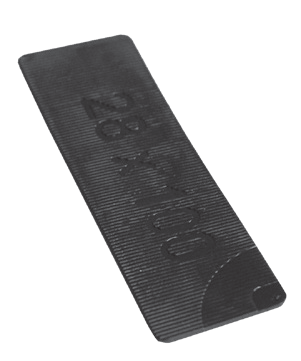
30mm Flat Glazing Packers
Price range: £24.99 through £189.94 Exc. VAT30mm glazing packers are useful for:
- wider glazing rebates
- deeper glazing channels
- sealed glass unit support
- window and door glazing
- heavier sealed units
- conservatory glazing
- curtain walling
- uPVC, aluminium, and timber glazing work
The main reason to choose 30mm is that it gives extra support width while still remaining slightly narrower than 32mm.
What Are 32mm Glazing Packers?
32mm glazing packers are wider flat plastic packers designed for applications where a broader support face is preferred.
They provide more bearing width than 30mm packers, making them useful where the frame system allows a larger support surface beneath the sealed unit.
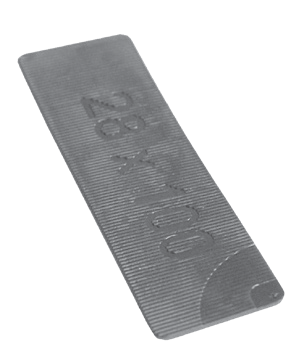
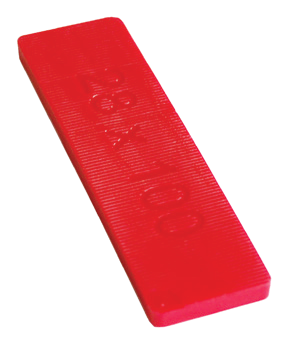
32mm Flat Glazing Packers
Price range: £26.99 through £210.94 Exc. VAT32mm glazing packers are useful for:
- wider glazing channels
- deeper rebates
- heavier glazing sections
- larger sealed units
- conservatory glazing
- commercial glazing
- curtain walling
- uPVC, aluminium, and timber glazing work
The main reason to choose 32mm is that it gives the widest support face between the two options.
When Should You Choose 30mm Instead of 32mm?
Choose 30mm glazing packers when the job needs a wider support surface than 28mm but does not require the full 32mm width.
30mm is useful when:
- 28mm feels slightly too narrow
- the frame has room for a wider packer
- the sealed unit benefits from extra contact area
- the installer wants wider support without using the widest option
- the rebate suits a 30mm packer better than a 32mm packer
- the extra 2mm of 32mm width is not needed
This makes 30mm a practical middle step between 28mm and 32mm.
When Should You Choose 32mm Instead of 30mm?
Choose 32mm glazing packers when the job needs the broadest support surface available between these two options.
32mm is useful when:
- the glazing channel is wide enough for a 32mm packer
- the sealed unit is larger or heavier
- the job needs maximum bearing area
- the support point benefits from a wider seating face
- the rebate is deeper
- a 30mm packer feels slightly narrow for the application
- the installer wants the most stable contact area possible
This makes 32mm the stronger choice when the system allows a wider packer and the extra width is useful.
Is 32mm Always Better Than 30mm?
No.
A 32mm packer is wider, but that does not automatically make it the better choice for every job.
Use 32mm only where it fits properly and where the extra width helps the installation.
A 30mm packer may be the better choice if:
- the support area suits 30mm more naturally
- 32mm feels too wide
- the extra width could interfere with the frame system
- the job only needs a modest increase over 28mm
- the installer wants wider support but still needs easier positioning
The correct choice depends on the frame, rebate, sealed unit, and support point.
When Both 30mm and 32mm Are Useful to Stock
For installers who work across different glazing systems, both 30mm and 32mm packers can be useful.
Stocking both sizes gives you more flexibility:
- 30mm for wider everyday support
- 32mm for broader support areas and heavier applications
If you regularly work with deeper rebates, conservatories, curtain walling, or commercial glazing, keeping both sizes available can help you choose the better fit on site.
30mm vs 32mm vs 28mm Packers
Many installers already keep 28mm flat glazing packers in stock. The 30mm and 32mm sizes are useful when 28mm does not provide enough support width.
A simple comparison is:
- 28mm: wider standard support for many glazing jobs
- 30mm: extra bearing width when 28mm is slightly narrow
- 32mm: maximum wider support area for deeper rebates and heavier sections
For many installers, 28mm will remain a core stock size. The 30mm and 32mm options are worth adding when wider applications are common.
30mm vs 32mm for Heavier Sealed Units
For heavier sealed units, support area matters.
A 30mm packer can provide a wider bearing face than 28mm and may be enough for many heavier glazing situations.
A 32mm packer gives an even broader support surface and may be the better option when the system allows it and the unit benefits from greater contact area.
As a simple guide:
- choose 30mm for heavier units where a moderate width increase is enough
- choose 32mm for heavier units where the broadest support face is preferred
Thickness still matters too. A wider packer does not replace the need to choose the correct thickness.
30mm vs 32mm for Deeper Rebates
Both 30mm and 32mm packers are useful in deeper glazing rebates.
Choose 30mm when the rebate gives enough space for a wider packer but does not require the widest available support.
Choose 32mm when the rebate is deeper and the wider support face helps the unit sit more securely.
The packer should sit flat, stable, and correctly positioned. If the wider packer does not sit properly, choose the narrower option.
30mm vs 32mm for Conservatory Glazing
Conservatory glazing can involve larger panels, varied frame sections, and different support requirements.
Both 30mm and 32mm packers can be useful.
Use 30mm for general wider conservatory glazing support.
Use 32mm where the panel or rebate benefits from a broader bearing face.
For conservatory installers, it may be sensible to keep both sizes available, especially if the work varies from job to job.
30mm vs 32mm for Curtain Walling
Curtain walling and commercial glazing may involve wider support areas and heavier glass sections.
In these situations, wider packers can be useful when the system allows them.
Use 30mm where the job needs extra width but not the maximum support face.
Use 32mm where the installation benefits from a broader contact area and the frame design allows it.
Installers should always choose the packer based on the system requirements, not just the widest size available.
Available Thicknesses for 30mm and 32mm Packers
Both 30mm and 32mm flat glazing packers are available in:
- 1mm
- 2mm
- 3mm
- 4mm
- 5mm
- 6mm
This means the width changes between the two products, but the thickness range is the same.
The width controls the support face.
The thickness controls the amount of lift, spacing, or correction.
When to Use 1mm Thickness
Use 1mm packers for fine adjustment.
They are useful when the sealed unit is already close to the correct position and only needs a small correction.
Typical uses include:
- final levelling
- fine adjustment
- small spacing corrections
- combining with other thicknesses
When to Use 2mm Thickness
Use 2mm packers for light correction.
They are useful when 1mm is not enough but the job still needs only a small amount of adjustment.
Typical uses include:
- minor unevenness
- small glazing gaps
- light support
- fine spacing work
When to Use 3mm Thickness
Use 3mm packers for standard support.
This is one of the most useful thicknesses for everyday glazing work.
Typical uses include:
- routine window glazing
- standard sealed unit support
- general levelling
- everyday site work
When to Use 4mm Thickness
Use 4mm packers for moderate correction.
They are useful when 3mm is not quite enough and the job needs a more noticeable adjustment.
Typical uses include:
- medium gaps
- slightly uneven rebates
- support beneath larger sections
- moderate levelling work
When to Use 5mm Thickness
Use 5mm packers for stronger support and larger gaps.
This is one of the key trade thicknesses for wider packers.
Typical uses include:
- larger glazing gaps
- heavier sealed units
- base support points
- stronger spacing support
When to Use 6mm Thickness
Use 6mm packers for the largest standard correction in these ranges.
They are useful for:
- larger gaps
- deeper rebates
- uneven openings
- load-bearing support points
- strong base packing
6mm should be kept for jobs that genuinely need that level of support or spacing.
Which Thicknesses Should Trade Buyers Stock First?
For both 30mm and 32mm glazing packers, the most useful trade thicknesses are usually:
- 3mm
- 4mm
- 5mm
These cover the widest range of standard and stronger support work.
Then keep:
- 1mm and 2mm for fine adjustment
- 6mm for larger gaps, deeper rebates, and heavier support points
A practical stock setup would be:
- higher stock of 3mm
- strong stock of 4mm and 5mm
- smaller stock of 1mm and 2mm
- some 6mm for heavier or deeper applications
Should You Buy 30mm or 32mm First?
If you are adding wider flat packers to your stock for the first time, the safest first choice depends on your work.
Buy 30mm first if:
- you already use 28mm and want a slightly wider option
- you want a practical middle step before 32mm
- your jobs need extra support width but not the widest option
- you want wider packers for general window and door glazing work
Buy 32mm first if:
- you regularly work with deeper rebates
- you support heavier sealed units
- you want the broadest flat packer in this range
- your frame systems allow a wider support face
- commercial, conservatory, or curtain walling work is common
If you handle varied work, stocking both is the better long-term option.
Recommended Stock Setup for Installers
For installers adding wider packers to their van or warehouse stock, a practical setup would be:
- 30mm 3mm for standard wider support
- 30mm 4mm for moderate correction
- 30mm 5mm for stronger support
- 32mm 3mm for broader everyday support
- 32mm 4mm for deeper rebate correction
- 32mm 5mm for heavier support points
Then add:
- 1mm and 2mm in both widths for fine adjustment
- 6mm in both widths for deeper rebates, larger gaps, and heavier support
This gives installers flexibility across wider glazing applications.
Common Buying Mistakes to Avoid
Avoid these mistakes when choosing between 30mm and 32mm glazing packers:
- assuming 32mm is always better because it is wider
- using 30mm or 32mm where a narrower packer would fit better
- buying only one thickness
- ignoring fine adjustment sizes
- forgetting 5mm and 6mm for heavier support
- using flat packers where bridge packers are required
- not checking whether the packer sits properly in the frame
- relying on timber, cardboard, or improvised shims
The right product depends on the frame system, sealed unit, and support requirement.
30mm and 32mm Packers vs Bridge Packers
30mm and 32mm flat glazing packers provide wider flat support.
Bridge packers do a different job. They are used where the sealed unit needs support while maintaining drainage and ventilation beneath the glass.
Do not use a 30mm or 32mm flat packer as a replacement for a bridge packer where the system requires drainage clearance.
Use 30mm or 32mm flat packers when broad flat support is suitable.
Use bridge packers where drainage and ventilation beneath the sealed unit matter.
Final Thoughts
Both 30mm and 32mm glazing packers are useful for installers who need wider flat packers for larger support areas, deeper rebates, heavier sealed units, conservatories, commercial glazing, and curtain walling work.
Choose 30mm glazing packers when you need more support width than 28mm but do not need the broadest option.
Choose 32mm glazing packers when you want the widest support face between the two and the frame system allows it.
For trade buyers, the best thicknesses to stock first are usually:
- 3mm for standard support
- 4mm for moderate correction
- 5mm for stronger support
Then keep:
- 1mm and 2mm for fine adjustment
- 6mm for deeper rebates, larger gaps, and heavier support points
Explore our wider flat glazing packer range: