
Blog
Window Packers: What They Are, How to Use Them and Which Type to Buy

Window packers are small plastic packers used during window installation, glazing, adjustment and frame alignment. They help installers support sealed units, create accurate spacing, keep frames correctly positioned and avoid using unsuitable materials such as timber offcuts, cardboard or random plastic shims.
Although they are small, window packers are important. The right packer helps the window sit properly, supports the glass unit correctly and makes the installation cleaner, faster and more consistent.
For trade installers, builders and glazing companies, choosing the right type of window packer is just as important as choosing the right thickness.
This guide explains what window packers are, where they are used, how to use them in general terms and which type to buy for different window installation jobs.
What Are Window Packers?
Window packers are rigid plastic spacing and support products used during window installation and glazing work.
They are commonly used to:
- support sealed glass units
- level and align glass inside the frame
- keep glazing units correctly positioned
- provide consistent spacing
- support window frames during fitting
- help prevent movement or rattling
- assist with frame alignment
- avoid uneven pressure points
The term “window packers” can refer to several different products, including flat glazing packers, bridge packers, wedge packers and window frame packers.
That is why buyers should not only search for “window packers” and choose the first product they see. The correct packer depends on whether you are supporting the glass, aligning the frame or maintaining drainage beneath the sealed unit.
Window Packers vs Glazing Packers
In many cases, people use the terms window packers and glazing packers to mean similar things.
However, there is a useful difference.
Glazing packers usually refer to packers used around sealed glass units inside the window or door frame.
Window packers is a broader term. It can include glazing packers, frame packers, bridge packers and other plastic packers used during window installation.
If you are supporting the sealed glass unit, you will usually need flat glazing packers or bridge packers.
If you are aligning the window frame itself, you will usually need window frame packers.
Why Window Packers Matter
Window packers help installers achieve a cleaner and more reliable installation.
They are used because window openings, frames and sealed units do not always sit perfectly without adjustment. Packers help create controlled spacing and support instead of relying on guesswork.
Good window packing can help with:
- correct sealed unit support
- improved frame and glass alignment
- reduced movement
- reduced rattling
- better support under load
- cleaner installation work
- faster on-site adjustment
- more consistent results across jobs
For professional work, purpose-made plastic packers are a better choice than timber, cardboard or improvised shims.
The Main Types of Window Packers
There are several types of window packers, and each one has a different purpose.
The main types are:
Installers should understand the difference because using the wrong type can cause installation problems.
Flat Glazing Packers
Flat glazing packers are used to support, level and position sealed glass units inside the frame.
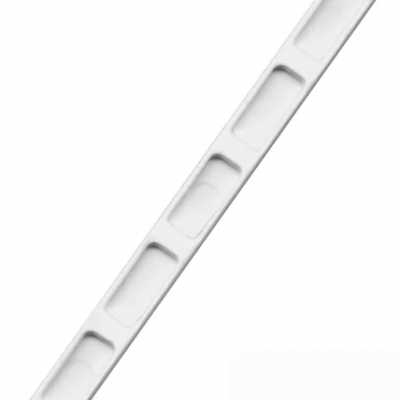
9mm Flat Glazing Packers
Price range: £20.99 through £150.94 Exc. VAT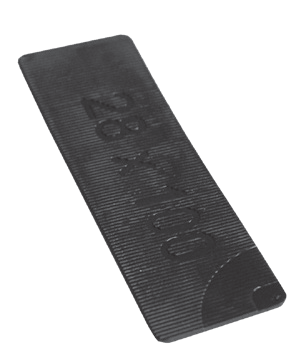
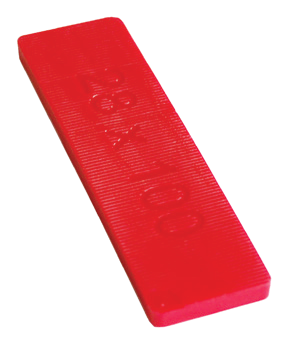
20mm Flat Glazing Packers
Price range: £21.99 through £148.94 Exc. VAT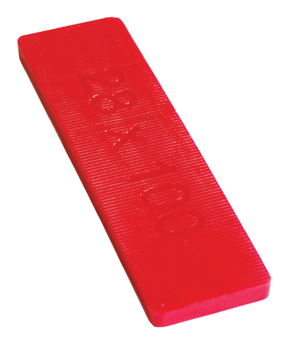
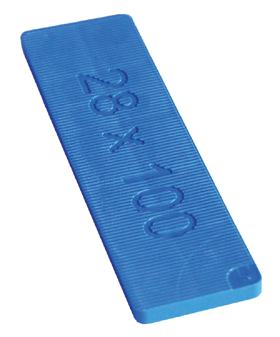
24mm Flat Glazing Packers
Price range: £23.99 through £171.94 Exc. VAT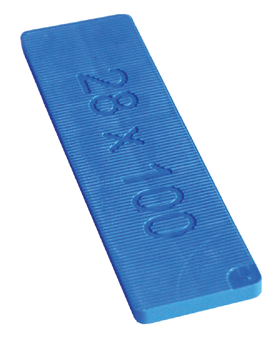
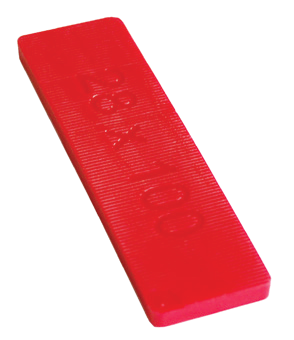
28mm Flat Glazing Packer
Price range: £24.99 through £178.94 Exc. VAT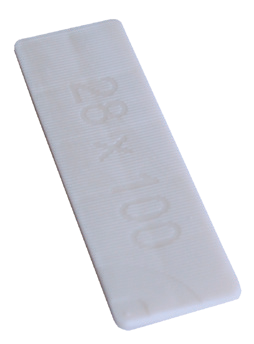
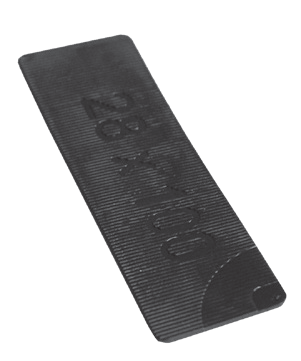
30mm Flat Glazing Packers
Price range: £24.99 through £189.94 Exc. VAT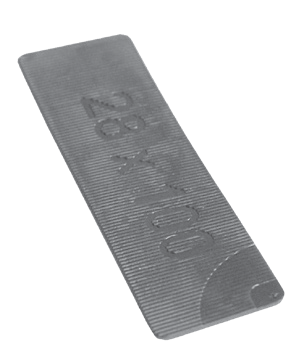
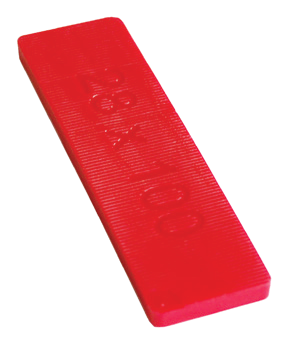
32mm Flat Glazing Packers
Price range: £26.99 through £210.94 Exc. VATThey are commonly used for:
- window glazing
- door glazing
- sealed unit support
- conservatory glazing
- curtain walling
- uPVC, aluminium and timber frames
Flat glazing packers are available in different widths and thicknesses. The width controls the support surface. The thickness controls the amount of lift, spacing or correction.
At GlazingPacker, we stock flat glazing packers in several widths, including 9mm, 20mm, 24mm, 28mm, 30mm and 32mm.
Bridge Packers
Bridge packers are used where the sealed unit needs support while maintaining drainage and ventilation beneath the glass.
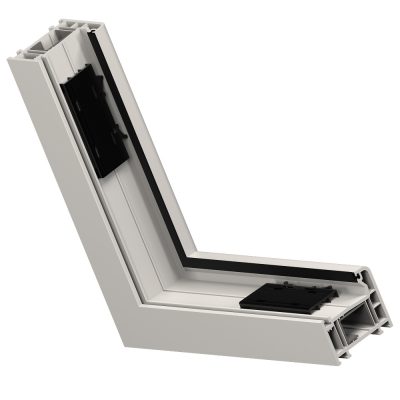
MSBP (Multi System Bridge Packer)
£39.99 Exc. VATThis is especially important in suitable uPVC window and door systems where the packer must support the unit without blocking water movement.
Bridge packers are different from flat glazing packers. A flat packer gives flat support. A bridge packer gives raised support and helps maintain clearance beneath the sealed unit.
At GlazingPacker, we stock the MSBP Multi-System Bridge Packer for compatible uPVC systems.
Wedge Packers
Wedge packers are used for fine adjustment and positioning.
They are useful when installers need controlled adjustment during fitting. They are not usually the main support packer beneath a sealed unit, but they are useful alongside flat glazing packers and bridge packers.
Wedge packers can help with:
- small alignment adjustments
- fine positioning
- controlled levelling
- temporary adjustment during fitting
Window Frame Packers
Window frame packers are used around the frame itself, not usually beneath the sealed glass unit.
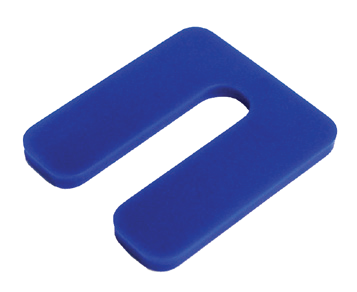
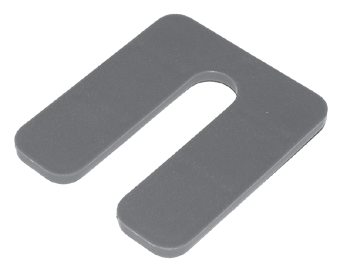
53x62mm Frame Packers
Price range: £43.99 through £108.99 Exc. VATThey help installers position and support the window frame before final fixing.
Window frame packers are useful for:
- frame alignment
- packing behind fixing points
- keeping frames plumb and square
- sill and lintel packing
- threshold adjustment
- correcting uneven openings
- supporting frames during installation
At GlazingPacker, we stock 53×62mm frame packers for window and door frame alignment.
UPVC Window Packers
UPVC window packers are used during uPVC window installation and glazing work.
In uPVC systems, packers may be needed in more than one area:
- flat glazing packers for sealed unit support
- bridge packers where drainage and ventilation need to be maintained
- wedge packers for fine adjustment
- frame packers for frame alignment and fixing points
For uPVC window installers, it is useful to keep more than one packer type in stock. A flat glazing packer may be right for one part of the job, while a bridge packer or frame packer may be needed elsewhere.
The key is to choose the packer based on the window system and the job being carried out.
Window Packing
Window packing is the process of using packers to support, space or align parts of the window installation.
This may include packing the sealed glass unit, packing behind the frame, adjusting support points or maintaining clearance where required.
Window packing is not just about filling gaps. The packer needs to support the correct part of the installation in the correct way.
For example:
- use flat glazing packers for flat sealed unit support
- use bridge packers where drainage beneath the unit must be maintained
- use frame packers behind the window frame and fixing points
- use wedge packers where fine adjustment is needed
This article gives a product selection overview. A full step-by-step window packing guide should be treated separately, because detailed frame packing and anti-twist installation methods need their own dedicated explanation.
How to Pack a Window
The general idea behind how to pack a window is simple: use the correct packer type and thickness to support the window or sealed unit without distorting the frame or creating unwanted pressure.
In basic terms, installers should:
- identify whether they are packing the glass or the frame
- choose the correct packer type
- choose the correct width
- choose the correct thickness
- make sure the packer sits flat and stable
- avoid blocking drainage where drainage is required
- avoid using improvised materials
- check that the window remains aligned and properly supported
For glass support, use glazing packers.
For frame support, use window frame packers.
For drainage-sensitive uPVC systems, use bridge packers where appropriate.
This section is deliberately kept as an overview. A full installation guide should go into more detail on packer placement, fixing sequence and how to avoid twisting the frame.
How to Use Window Packers
Knowing how to use window packers starts with choosing the correct product.
Use window packers based on the part of the installation you are working on.
Use Flat Glazing Packers for Sealed Units
Flat glazing packers are used where the sealed glass unit needs flat support, spacing or levelling.
They are available in multiple widths, so choose the width that suits the glazing channel, rebate and support point.
Use Bridge Packers Where Drainage Matters
Bridge packers are used where the sealed unit needs support but water movement and ventilation beneath the unit must be maintained.
This is common in suitable uPVC systems.
Do not replace a bridge packer with a flat packer where the system requires drainage clearance.
Use Frame Packers for the Window Frame
Window frame packers are used around the frame and fixing points.
They help keep the frame positioned correctly before final fixing.
They are especially useful where the opening is uneven or where the frame needs stable support behind fixings.
Use Wedge Packers for Fine Adjustment
Wedge packers are useful for adjustment and positioning.
They are helpful when the installer needs to make small corrections during fitting.
Which Window Packers Should You Buy?
The best window packer to buy depends on the job.
A simple buying guide is:
| Job | Best packer type |
|---|---|
| Supporting sealed glass units | Flat glazing packers |
| Working in tight glazing spaces | 9mm flat glazing packers |
| General window glazing | 20mm, 24mm or 28mm flat glazing packers |
| Wider support points | 30mm or 32mm flat glazing packers |
| uPVC systems needing drainage clearance | Bridge packers or MSBP where compatible |
| Aligning the window frame | 53×62mm frame packers |
| Fine positioning | Wedge packers |
For installers, the best setup is usually not one packer type. It is a working range of packers for different parts of the job.
9mm Window Packers
9mm flat glazing packers are useful for compact glazing areas and tight spaces.
They are best suited to jobs where a narrow packer is needed but accurate alignment and support still matter.
Use 9mm glazing packers for:
- smaller glazing systems
- tight glazing spaces
- compact support areas
- small glazed units
- precision alignment work
9mm packers are not a replacement for wider flat packers. They are useful where space is limited.
20mm Window Packers
20mm flat glazing packers are useful when installers need a narrower flat packer for standard window and door glazing work.
They are a practical choice for:
- narrower support points
- compact glazing channels
- standard sealed unit support
- uPVC, aluminium and timber glazing
- window and door installations
20mm packers are useful where 24mm, 28mm or wider packers are more width than the job needs.
24mm Window Packers
24mm flat glazing packers are a strong general-purpose choice.
They are useful for many everyday window and door glazing jobs because they sit between narrower 20mm packers and wider 28mm packers.
Use 24mm glazing packers for:
- general window glazing
- sealed unit support
- door glazing
- uPVC, aluminium and timber frames
- everyday installer stock
- mixed glazing work
If an installer wants one versatile flat glazing packer width to keep in stock, 24mm is often a sensible starting point.
28mm Window Packers
28mm flat glazing packers are useful when a wider support surface is needed.
They are suitable for:
- wider glazing systems
- larger sealed units
- stronger support points
- window and door glazing
- conservatories
- curtain walling
- uPVC, aluminium and timber frames
28mm is a common wider option for installers who want more bearing width than 20mm or 24mm.
30mm Window Packers
30mm flat glazing packers are useful when 28mm feels slightly too narrow and the frame or glazing rebate allows a broader support surface.
They are suitable for:
- wider glazing rebates
- deeper glazing channels
- heavier sealed units
- conservatories
- curtain walling
- general wider glazing work
30mm packers are a practical step between 28mm and 32mm.
32mm Window Packers
32mm flat glazing packers provide an even broader support surface.
They are useful for:
- wider support points
- deeper rebates
- heavier glazing sections
- larger sealed units
- commercial glazing
- conservatories
- curtain walling
Use 32mm where the system allows the extra width and the sealed unit benefits from a broader bearing area.
53×62mm Window Frame Packers
53×62mm frame packers are used when the frame itself needs support and alignment.
These are not the same as flat glazing packers.
Use 53×62mm frame packers for:
- window frame alignment
- door frame alignment
- fixing point support
- sill and lintel packing
- threshold alignment
- general frame fitting
- correcting uneven openings
If the task is to position the window frame before fixing, use frame packers rather than glazing packers.
Multi-System Bridge Packer
The MSBP Multi-System Bridge Packer is useful for compatible uPVC window and door systems where the sealed unit needs support while drainage and ventilation must be maintained.
This is particularly useful for installers working across multiple uPVC profile systems.
Use MSBP where:
- the uPVC system is compatible
- drainage beneath the sealed unit matters
- ventilation needs to be maintained
- a flat packer may block water movement
- you want to reduce the number of profile-specific bridge packers carried in stock
MSBP should be used where bridge packing is appropriate. It should not be treated as a replacement for every flat glazing packer or frame packer.
Which Thickness Should Installers Buy?
Window packers are available in different thicknesses. The most common thicknesses include:
- 1mm
- 2mm
- 3mm
- 4mm
- 5mm
- 6mm
Frame packers may also be available in heavier thicknesses such as 10mm.
As a simple guide:
| Thickness | Typical use |
|---|---|
| 1mm | Fine adjustment |
| 2mm | Light correction |
| 3mm | Standard everyday support |
| 4mm | Moderate correction |
| 5mm | Larger gaps and stronger support |
| 6mm | Larger spacing and heavier support |
| 10mm | Frame packing and larger frame corrections where available |
For most installers, the most useful glazing packer thicknesses are usually 3mm, 4mm and 5mm.
1mm and 2mm are useful for adjustment.
6mm is useful for larger gaps and heavier support.
Window Packers for Installers
Professional installers should usually keep a mixed range of window packers in the van.
A practical stock setup could include:
- 9mm flat glazing packers for tight spaces
- 20mm flat glazing packers for narrower support points
- 24mm flat glazing packers for general-purpose glazing
- 28mm flat glazing packers for wider support
- 30mm and 32mm flat glazing packers for deeper rebates and heavier units
- 53×62mm frame packers for frame alignment
- MSBP bridge packers for compatible uPVC systems
- wedge packers for fine adjustment
Not every installer needs every size in the same quantity. The best stock setup depends on the type of windows and doors you fit most often.
Window Packers for Builders
Builders may use window packers for fitting frames, adjusting openings and supporting installation points.
For builders, the most useful products are often:
- window frame packers
- 24mm flat glazing packers
- 28mm flat glazing packers
- wedge packers
- bridge packers where uPVC glazing systems require them
Builders should avoid relying on timber offcuts or cardboard shims for professional window installation work. Proper plastic packers give more consistent thickness and better long-term support.
Window Packers for Glazing Companies
Glazing companies usually need a wider range because they handle different frame materials, sealed unit sizes and installation types.
A glazing company stock setup should usually include:
- narrow flat packers
- general-purpose flat packers
- wider flat packers
- bridge packers
- wedge packers
- frame packers
For larger teams, it is sensible to standardise van stock so installers carry the same core range.
Common Mistakes When Buying Window Packers
Avoid these mistakes when buying window packers:
- buying glazing packers when you actually need frame packers
- using flat packers where bridge packers are required
- buying only one width for every job
- buying only one thickness
- ignoring 1mm and 2mm adjustment sizes
- not keeping wider packers for deeper rebates
- using timber, cardboard or offcuts instead of plastic packers
- not checking whether the packer fits the glazing channel
- not keeping enough stock for repeat jobs
The correct packer should match the frame, glass unit and support requirement.
Simple Buying Guide
Use this simple guide when choosing window packers:
- Buy 9mm flat glazing packers for tight glazing spaces.
- Buy 20mm flat glazing packers for narrower support points.
- Buy 24mm flat glazing packers for general-purpose window glazing.
- Buy 28mm flat glazing packers for wider standard support.
- Buy 30mm flat glazing packers for extra bearing width.
- Buy 32mm flat glazing packers for broad support areas and heavier sections.
- Buy 53×62mm frame packers for window frame alignment.
- Buy MSBP Multi-System Bridge Packers for compatible uPVC systems where drainage and ventilation matter.
- Buy wedge packers for fine adjustment and positioning.
For thicknesses, start with 3mm, 4mm and 5mm, then add 1mm, 2mm and 6mm for complete coverage.
Final Thoughts
Window packers are essential for clean, accurate and professional window installation work. They help installers support sealed units, align frames, control spacing and avoid unreliable improvised materials.
The best product depends on the job.
Use flat glazing packers for sealed unit support.
Use window frame packers for frame alignment.
Use bridge packers where drainage and ventilation beneath the sealed unit must be maintained.
Use wedge packers for fine adjustment.
For most installers, a practical buying setup should include:
- 9mm flat glazing packers
- 20mm flat glazing packers
- 24mm flat glazing packers
- 28mm flat glazing packers
- 30mm flat glazing packers
- 32mm flat glazing packers
- 53×62mm frame packers
- MSBP Multi-System Bridge Packers