
Blog
9mm Flat Glazing Packers for uPVC Windows: Best Uses and Common Mistakes

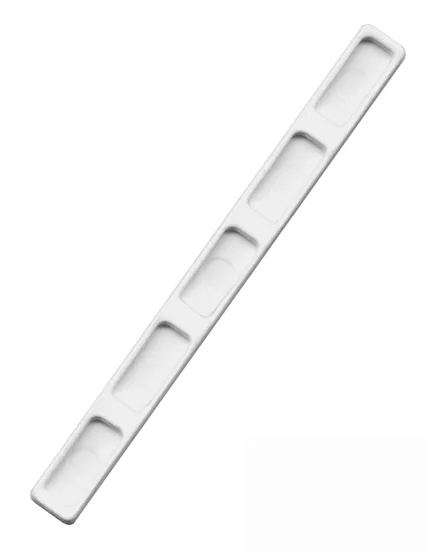
Our FP9 flat glazing packers are designed for smaller glazing systems and tight installations where space is limited but accurate support still matters. At 9 mm × 100 mm, they are a compact option for uPVC window jobs where a wider packer may not be the best fit. We use them to help maintain correct glass positioning, reduce the risk of frame distortion, and support long-term structural integrity in narrower glazing spaces.
What We Use FP9 Packers For in uPVC Windows
In uPVC windows, we use 9mm flat glazing packers for precision packing and alignment where the glazing channel is relatively tight and the installation still needs dependable support. They are suitable for uPVC, aluminium, and timber frames, but in uPVC work their main strengths are compact size, consistent thickness, and reliable support in narrower sections. Because they are made from polypropylene, they also resist rot, moisture, and temperature changes, which makes them suitable for both internal and external use.
Best Use 1: Tight Glazing Spaces Where a Wider Packer Would Be Less Practical
The clearest reason to use FP9 in uPVC windows is when the glazing space is tight. We specifically position these packers as a compact design perfect for tight glazing spaces, and that is what makes them different from wider flat glazing packers. In practical terms, FP9 is a good choice when the installer needs accurate support in a narrower part of the frame without using a packer that takes up more width than the job really allows.
Best Use 2: Fine Alignment in Smaller uPVC Frames
Because FP9 is aimed at smaller glazing systems, it is especially useful for uPVC window work where the main goal is precision rather than heavy-duty spacing. We use it to help with accurate levelling and alignment of glass units, particularly where there is not much room to work with and small positioning changes make a noticeable difference to the fit.
Best Use 3: Minor Levelling and Light Support
The thinner FP9 options are well suited to lighter correction work in uPVC windows. We use:
- 1 mm for fine alignment in tight spaces, minor levelling adjustments, and final positioning of glazing units
- 2 mm for small spacing adjustments, minor frame inconsistencies, and light support in narrow glazing channels
This makes FP9 particularly useful where the unit is already close to the right position and only light correction is needed.
Best Use 4: Standard Packing in Compact Installations
Where the job needs more than fine adjustment but still sits within a compact glazing setup, 3 mm becomes the main working size in the FP9 range. We use it for:
- general glazing in smaller frames
- moderate spacing corrections
- supporting lightweight sealed units
For many smaller uPVC window jobs, that makes 3 mm the most natural general-use thickness within the FP9 format.
Best Use 5: Jobs That Need a Narrow Packer but More Lift
The visible product options on the current FP9 page include 6 mm as a selectable thickness. That means FP9 can also cover installations where the job still calls for a narrow-width packer, but the correction needed is more substantial than 1 mm, 2 mm, or 3 mm can provide. This can be useful when width is limited but the support point still needs a bigger lift. The inference here is based on the visible selectable 6 mm option and the compact-use positioning of FP9.
Common Mistake 1: Choosing FP9 Only by Thickness and Ignoring Width
A common mistake is to think only about thickness and ignore why FP9 exists in the first place. The main difference with this product is not just the available thicknesses, but the compact 9 mm width and its intended use in tight glazing spaces and smaller glazing systems. If the job does not actually need a narrow packer, a wider flat glazing packer may sometimes be the more natural choice. That comparison is an inference from FP9’s stated compact dimensions and tight-space positioning.
Common Mistake 2: Using a Heavy-Correction Mindset on a Compact-Application Product
FP9 is positioned for precision packing and alignment in smaller systems, so one mistake is treating it like a general heavy-duty packer range first and a compact packer second. In most uPVC window jobs using FP9, the main use case is accurate support in limited space, not broad correction across a wide glazing channel. The best results usually come when the installer chooses FP9 because the installation is compact, then selects the thickness that suits that compact setup. The last sentence is a practical inference based on the product positioning.
Common Mistake 3: Using the Wrong Thickness for the Type of Adjustment Needed
Another mistake is using the same thickness for every compact uPVC job. The current FP9 page gives distinct uses for the thinner options:
- 1 mm for precision adjustment and fine tuning
- 2 mm for light levelling and small corrections
- 3 mm for standard packing in tight applications
Using a fine-adjustment size where moderate support is needed, or using a standard size where only tiny correction is needed, can make the fit less accurate than it should be.
Common Mistake 4: Using Improvised Materials in Narrow Glazing Channels
Because FP9 is specifically aimed at narrow glazing spaces, using improvised materials in place of proper packers is even more likely to create inconsistent support. Our FP9 packers are made from polypropylene and are designed to provide consistent thickness and strength, while also resisting rot, moisture, and temperature changes. In compact uPVC installations, consistency matters because there is less room for error.
Common Mistake 5: Not Keeping More Than One FP9 Thickness Available
It can be tempting to stock only one thickness in a compact range like FP9, but that often limits what installers can do on site. The current page shows selectable thicknesses of 1 mm, 2 mm, 3 mm, and 6 mm, and each one serves a different purpose, from fine alignment to larger correction. Keeping more than one option available makes it easier to match the packer to the job rather than forcing the job to fit the stock on hand.
Why FP9 Works Well for Trade Installations
Our FP9 packers combine:
- 9 mm × 100 mm dimensions
- a compact design for tight glazing spaces
- suitability for uPVC, timber, and aluminium frames
- polypropylene construction
- packs of 1000
- bulk trade pricing
- same-day dispatch before 1 PM Monday to Friday
For installers working repeatedly on smaller or tighter uPVC glazing jobs, that makes FP9 a practical product to keep in trade stock.
Final Thoughts
For uPVC windows, 9mm flat glazing packers work best when the job genuinely calls for a compact-width packer and the thickness is chosen to match the level of correction needed. We use 1 mm for fine positioning, 2 mm for light correction, 3 mm for standard compact glazing work, and 6 mm where a narrow packer is still needed but the support point calls for a bigger adjustment. Used in the right situations, FP9 gives installers a precise way to support uPVC glazing in places where space is limited.