
Blog
28mm vs 30mm Glazing Packers: Which Size Should You Use?

When choosing flat glazing packers, installers often compare sizes that look very close. Two of the most similar wider options are 28mm glazing packers and 30mm glazing packers.
At first, the difference may seem small. After all, there is only 2mm between them.
But on site, that 2mm can matter.
A 28mm flat glazing packer is a strong wider option for many standard window, door and sealed unit installations. A 30mm flat glazing packer gives a slightly broader bearing surface, making it useful where the frame, rebate or sealed unit benefits from extra support width.
Both sizes are useful. The right choice depends on the glazing system, support point, available space and the type of installation.
Quick Comparison: 28mm vs 30mm Glazing Packers
| Packer size | Best for | Available thicknesses |
|---|---|---|
| 28mm flat glazing packers | 28mm glazing systems, wider standard glazing work, windows, doors, sealed units, curtain walling and conservatories | 1mm, 2mm, 3mm, 4mm, 5mm, 6mm |
| 30mm flat glazing packers | Wider bearing surface, deeper glazing rebates, heavier sealed units and jobs where 28mm feels slightly narrow | 1mm, 2mm, 3mm, 4mm, 5mm, 6mm |
The simple rule is:
- choose 28mm for wider standard glazing support
- choose 30mm when you need slightly more bearing width
Why the Width Difference Matters
The width of a glazing packer affects the amount of contact area beneath or around the sealed unit.
A wider packer can help provide a broader support face when the frame design allows it. This can be useful for larger sealed units, deeper rebates, wider glazing channels or heavier support points.
However, the widest packer is not always the correct packer.
The packer must sit properly inside the system. It should not interfere with beads, gaskets, drainage, ventilation or other profile features.
That is why installers should choose the width based on the job, not just choose the larger option by default.
What Are 28mm Glazing Packers?
28mm glazing packers are flat plastic packers used to support, level, space and align sealed glass units within the frame.
They are a common wider flat packer size and are useful for many window and door glazing jobs.
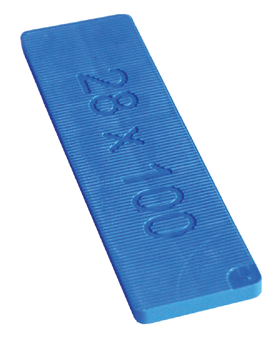
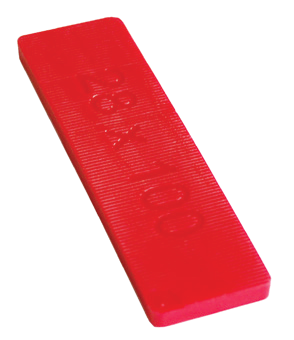
28mm Flat Glazing Packer
Price range: £24.99 through £178.94 Exc. VAT28mm glazing packers are suitable for:
- 28mm glazing systems
- window glazing
- door glazing
- sealed glass units
- conservatories
- curtain walling
- uPVC frames
- aluminium frames
- timber frames
For many installers, 28mm flat glazing packers are a core stock item because they provide a useful support width without being as wide as 30mm or 32mm packers.
What Are 30mm Glazing Packers?
30mm glazing packers are wider flat plastic packers used where the installer wants more bearing surface than a 28mm packer provides.
They are useful when the glazing rebate, frame design or sealed unit allows a slightly broader support point.
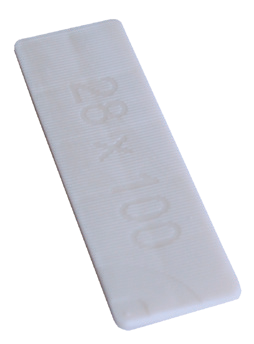
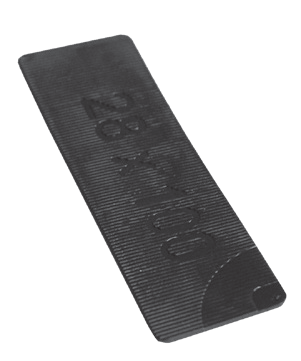
30mm Flat Glazing Packers
Price range: £24.99 through £189.94 Exc. VAT30mm glazing packers are suitable for:
- wider glazing rebates
- deeper glazing channels
- larger sealed units
- heavier support points
- window and door glazing
- conservatory glazing
- curtain walling
- uPVC frames
- aluminium frames
- timber frames
The main reason to choose 30mm is that the job needs more contact area than 28mm, but does not necessarily need a much wider packer.
When Should You Choose 28mm Instead of 30mm?
Choose 28mm glazing packers when the job suits a wider standard flat packer but does not need the extra bearing width of a 30mm packer.
28mm is the better choice when:
- the glazing system is designed around a 28mm support width
- the support area does not need extra width
- a 30mm packer may be slightly too wide
- the packer needs to sit cleanly in a standard glazing channel
- the job involves everyday window or door glazing
- the sealed unit needs stable support without a larger support face
For many installers, 28mm will be used more often than 30mm because it suits a wider range of standard glazing jobs.
When Should You Choose 30mm Instead of 28mm?
Choose 30mm glazing packers when the job needs a slightly wider support surface.
30mm is the better choice when:
- a 28mm packer feels slightly narrow for the support point
- the glazing rebate has enough room for a wider packer
- the sealed unit benefits from a broader seating area
- the job involves heavier glazing
- the frame design allows a 30mm packer to sit correctly
- the installer wants more bearing width for improved stability
- the installation involves deeper glazing channels or larger rebates
30mm is not a replacement for 28mm. It is a wider option for jobs where 28mm does not provide quite enough contact area.
Is 30mm Always Better Than 28mm?
No.
A 30mm packer is wider, but that does not automatically make it better.
Use 30mm only where the extra width helps and where the packer fits the system properly.
A 28mm packer may be better when:
- the frame suits 28mm more naturally
- 30mm is too wide for the available space
- the job does not need extra bearing area
- the wider packer may interfere with the frame system
- the installer wants a more standard wider flat packer
The correct size is the one that provides proper support without causing fitment issues.
28mm vs 30mm for Standard Window Installation
For standard window installation, 28mm glazing packers are often the first choice because they provide a useful wider support surface for many common jobs.
30mm glazing packers become more relevant when the window system has a wider support area or the sealed unit benefits from extra bearing width.
Use 28mm for standard wider window glazing.
Use 30mm when the window has a deeper rebate, wider channel or larger unit that would benefit from a broader support face.
28mm vs 30mm for Door Glazing
Door glazing can involve larger or heavier glass units, especially with patio doors, French doors and glazed door panels.
For many door glazing jobs, 28mm may be suitable.
However, 30mm may be worth choosing when:
- the glazed unit is heavier
- the support point is wider
- the rebate allows extra bearing width
- the installer wants broader seating beneath the unit
- the job needs stronger support than a standard setup
As always, the packer must fit the system properly and should not interfere with drainage, beads or gaskets.
28mm vs 30mm for Conservatories
Conservatory glazing can involve multiple frame sections, different panel sizes and varied support requirements.
28mm packers are useful for many conservatory glazing jobs.
30mm packers may be useful where:
- the panel is larger
- the support area is wider
- the glazing rebate is deeper
- extra contact area helps the unit sit more securely
- the installation involves heavier or more demanding sections
For conservatory installers, it can be useful to keep both 28mm and 30mm available.
28mm vs 30mm for Curtain Walling
Curtain walling and commercial glazing can involve larger glass sections and wider support areas.
A 28mm packer may be suitable for many support points, but a 30mm packer can be helpful when the system allows a broader bearing face.
Use 28mm where the support point suits a standard wider packer.
Use 30mm where the system allows extra width and the sealed unit benefits from a broader seating area.
Installers should always choose the packer based on the system and support requirement, not just the size that looks strongest.
28mm vs 30mm for Heavier Sealed Units
Heavier sealed units need stable and consistent support.
A 28mm packer can provide good support for many heavier glazing jobs.
A 30mm packer can be useful when the unit benefits from slightly more bearing width and the frame design allows it.
As a simple guide:
- use 28mm for standard wider support
- use 30mm when heavier units need a little more contact area
Thickness also matters. A wider packer does not replace the need to choose the correct thickness.
Available Thicknesses in 28mm and 30mm Packers
Both 28mm and 30mm flat glazing packers are available in:
- 1mm
- 2mm
- 3mm
- 4mm
- 5mm
- 6mm
The width controls the support face.
The thickness controls the lift, spacing or correction.
This means the decision has two parts:
- choose the correct width for the glazing system
- choose the correct thickness for the amount of adjustment required
When to Use 1mm Thickness
Use 1mm packers for fine adjustment.
They are useful when the unit is almost correctly positioned and only needs a small correction.
Typical uses include:
- final levelling
- fine spacing
- small finishing adjustments
- combining with other packers for precise setup
When to Use 2mm Thickness
Use 2mm packers for light correction.
They are useful when 1mm is not enough but the job still only needs a small adjustment.
Typical uses include:
- minor unevenness
- small glazing gaps
- light support
- fine adjustment beneath or around sealed units
When to Use 3mm Thickness
Use 3mm packers for standard everyday glazing support.
This is one of the most useful thicknesses for regular installation work.
Typical uses include:
- standard window glazing
- door glazing
- general sealed unit support
- routine levelling
- everyday site use
For many installers, 3mm should be one of the first thicknesses stocked in both 28mm and 30mm sizes.
When to Use 4mm Thickness
Use 4mm packers for moderate correction.
They are useful when 3mm is not enough and the job needs a more noticeable adjustment.
Typical uses include:
- medium gaps
- slightly uneven rebates
- support beneath heavier sections
- frame or glass alignment
4mm is a useful middle thickness because it gives more support without moving straight to 5mm.
When to Use 5mm Thickness
Use 5mm packers for stronger support and larger gaps.
They are useful for:
- larger glazing gaps
- heavier sealed units
- base support points
- stronger levelling requirements
- more demanding window and door glazing
For trade buyers, 5mm is one of the most important thicknesses to keep in regular stock.
When to Use 6mm Thickness
Use 6mm packers where the job needs the largest standard correction in these ranges.
They are useful for:
- large gaps
- deeper rebates
- uneven openings
- load-bearing support points
- base packing under units
6mm is useful to keep available, but it should be used where the installation genuinely needs that level of support or spacing.
Which Thicknesses Should You Buy First?
For both 28mm and 30mm glazing packers, the most useful thicknesses are usually:
- 3mm
- 4mm
- 5mm
These cover most everyday and stronger support situations.
Then keep:
- 1mm and 2mm for fine adjustment
- 6mm for larger gaps, deeper rebates and heavier support
A practical stock setup would be:
- higher stock of 3mm
- good stock of 4mm and 5mm
- smaller stock of 1mm and 2mm
- some 6mm for larger corrections
Should Installers Stock Both 28mm and 30mm?
Yes, if they regularly work across varied glazing systems.
28mm packers are useful for standard wider glazing work.
30mm packers are useful when the job needs a slightly broader bearing surface.
Keeping both sizes gives installers more control on site. Instead of forcing a 28mm packer into a wider support situation or using a 30mm packer where it is not needed, the installer can choose the better fit.
A practical setup could include:
- 28mm 3mm, 4mm and 5mm for everyday wider glazing support
- 30mm 3mm, 4mm and 5mm for deeper rebates and broader support points
- 1mm and 2mm for fine adjustment
- 6mm for larger gaps and stronger support
Should You Buy 28mm or 30mm First?
If you are adding stock gradually, the best first choice depends on the type of work you do.
Buy 28mm first if:
- you want a strong wider flat packer for regular glazing work
- you install many standard windows and doors
- you need a useful all-round wider support size
- your jobs do not usually need extra bearing width
Buy 30mm first if:
- you often work with deeper glazing rebates
- your sealed units are often larger or heavier
- 28mm sometimes feels slightly too narrow
- your frame systems allow a 30mm support face
- you want a wider option for more demanding jobs
For many trade buyers, 28mm should be the core stock size, with 30mm added for wider support situations.
Common Buying Mistakes to Avoid
Avoid these mistakes when choosing between 28mm and 30mm glazing packers:
- assuming 30mm is always better because it is wider
- using 30mm where the system suits 28mm better
- buying only one thickness
- ignoring 1mm and 2mm adjustment sizes
- not stocking 5mm or 6mm for heavier support
- using flat packers where bridge packers are required
- relying on timber, cardboard or improvised shims
- not checking that the packer sits correctly in the frame
The correct packer must suit the frame, glass unit and support point.
28mm and 30mm Packers vs Bridge Packers
28mm and 30mm flat glazing packers provide flat support.
Bridge packers do a different job. They are used where the sealed unit needs support while maintaining drainage and ventilation beneath the glass.
Do not use a 28mm or 30mm flat packer as a replacement for a bridge packer where the system requires drainage clearance.
Use flat packers when flat support is suitable.
Use bridge packers when the system needs raised support and drainage or ventilation beneath the sealed unit.
28mm and 30mm Packers vs Wedge Packers
Flat glazing packers and wedge packers also serve different purposes.
Use 28mm or 30mm flat packers for stable support, spacing and levelling.
Use wedge packers for fine adjustment and controlled positioning during fitting.
Many installers should keep both available because they solve different problems.
Recommended Stock Setup for Installers
For installers comparing 28mm and 30mm packers, a practical stock setup would be:
- 28mm 3mm for standard wider support
- 28mm 4mm for moderate correction
- 28mm 5mm for stronger everyday support
- 30mm 3mm for broader standard support
- 30mm 4mm for wider moderate correction
- 30mm 5mm for heavier support and deeper rebates
Then add:
- 1mm and 2mm in both widths for fine adjustment
- 6mm in both widths for larger gaps and base support
This gives installers a useful working range without relying on one width for every wider glazing job.
Final Thoughts
28mm and 30mm glazing packers are both useful wider flat packer options, but they are not used in exactly the same way.
Choose 28mm glazing packers for standard wider glazing support, 28mm glazing systems, windows, doors, conservatories and curtain walling where a 28mm support face is suitable.
Choose 30mm glazing packers when the job needs slightly more bearing width, deeper rebate support, heavier sealed unit support or a broader contact area beneath the glass.
For most trade buyers, the best approach is to keep 28mm as a core wider flat packer size and add 30mm where extra support width is useful.
Explore our wider flat glazing packer range: