
Blog
28mm vs 32mm Glazing Packers: When Is a Wider Packer Better?

When comparing 28mm and 32mm glazing packers, the question is not simply “which one is bigger?”
The better question is:
How much support width does the job actually need?
A 28mm glazing packer is already a strong wider flat packer for many window, door, conservatory and curtain walling jobs. A 32mm glazing packer gives an even broader support face, making it useful where the sealed unit, rebate or glazing channel benefits from extra bearing area.
Both sizes are useful. The correct choice depends on the frame system, support point, glass unit, and available space.
The Quick Answer
Choose 28mm glazing packers when you need a reliable wider flat packer for standard window and door glazing work.
Choose 32mm glazing packers when the job needs a broader support face, especially in deeper rebates, wider channels, larger sealed units or heavier glazing sections.
In simple terms:
| Choose 28mm when | Choose 32mm when |
|---|---|
| The job suits a wider standard flat packer | The job needs the widest support face between the two |
| You are working with 28mm glazing systems | The rebate or channel has room for extra width |
| The sealed unit does not need extra bearing area | The unit is larger, heavier or needs more stable seating |
| A 32mm packer may be more width than required | A 28mm packer feels slightly narrow for the support point |
Start with the Support Point
The best way to choose between 28mm and 32mm is to look at the actual support point.
Ask:
- How wide is the glazing channel?
- How much flat bearing area is available?
- Will the packer sit fully and securely?
- Could the extra width interfere with beads, gaskets, drainage or profile details?
- Is the sealed unit large or heavy enough to benefit from a broader support face?
If the support point naturally suits 28mm, use 28mm.
If the support point has more available width and the sealed unit benefits from extra contact area, use 32mm.
Why 28mm Packers Are Still a Core Stock Size
28mm flat glazing packers are useful because they give installers a wider support surface without moving into the largest flat packer widths.
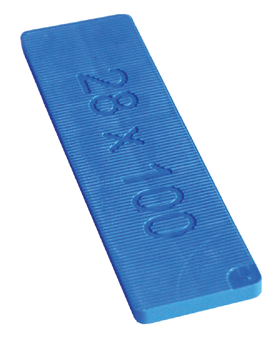
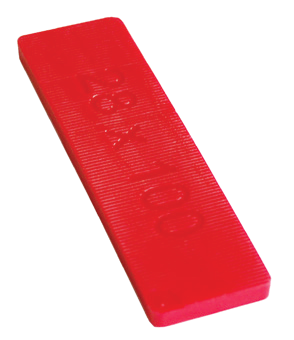
28mm Flat Glazing Packer
Price range: £24.99 through £178.94 Exc. VATThey are a practical stock item for:
- window glazing
- door glazing
- sealed glass units
- conservatories
- curtain walling
- uPVC frames
- aluminium frames
- timber frames
For many installers, 28mm packers are used more often than 32mm because they suit a wide range of standard glazing jobs.
This makes 28mm a good core stock size for vans and trade buyers.
Why 32mm Packers Are Useful
32mm flat glazing packers are useful when the job needs more support width than a 28mm packer provides.
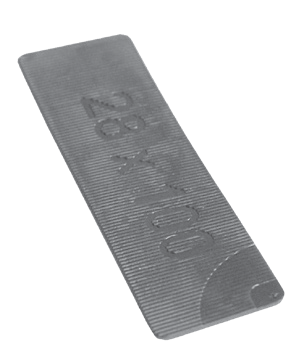
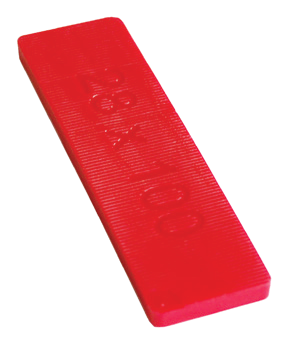
32mm Flat Glazing Packers
Price range: £26.99 through £210.94 Exc. VATThey are especially useful for:
- wider glazing channels
- deeper rebates
- heavier sealed units
- larger window and door glazing
- conservatory work
- commercial glazing
- curtain walling
- support points that benefit from extra bearing area
The 32mm width gives the sealed unit a broader seating area, which can help provide more stable support where the frame system allows it.
The Main Difference: Standard Wider Support vs Maximum Wider Support
A useful way to separate the two sizes is this:
28mm is the standard wider support option.
32mm is the broader support option.
That does not mean 32mm is always better. It simply means 32mm gives more contact area when that extra width is useful.
For everyday wider glazing work, 28mm may be enough.
For deeper, heavier or wider applications, 32mm may be the better choice.
When a Wider Packer Is Actually Better
A wider packer is better when the extra width improves the installation without causing fitment problems.
A 32mm packer may be better than 28mm when:
- the sealed unit is larger
- the glazing rebate is deeper
- the support point is wider
- the job involves heavier glass
- the unit needs a broader seating area
- the packer can sit flat and stable
- the installer wants better load spread under the unit
The key phrase is when the system allows it.
If the extra width does not fit properly, it is not an upgrade.
When a Wider Packer Is Not Better
A wider packer is not better if it creates a poor fit.
Do not choose 32mm just because it is wider.
A 32mm packer may be the wrong choice if:
- the glazing channel is too narrow
- the packer does not sit flat
- the packer interferes with gaskets or beads
- the extra width blocks or restricts drainage
- the installation only needs standard wider support
- the system is better suited to 28mm
- a bridge packer is required instead of a flat packer
The correct packer is the one that supports the sealed unit properly without creating another problem.
Scenario 1: Standard Window Glazing
For standard window glazing, 28mm is usually the first size to consider if a wider flat packer is required.
It gives a good support width for many common window jobs without being wider than necessary.
Use 28mm when the support area suits it and the sealed unit does not need additional bearing width.
Use 32mm only if the window system has enough space and the unit benefits from a broader support face.
Scenario 2: Larger Sealed Units
Larger sealed units can benefit from a wider seating area, depending on the frame system.
In this case, 32mm may be the better choice if the support point allows it.
Use 28mm when the unit is larger but the frame still suits a 28mm packer.
Use 32mm when the support area is wide enough and the extra bearing face gives a more stable seating point.
Scenario 3: Deeper Rebates
Deeper rebates are one of the clearest reasons to consider 32mm packers.
If the rebate gives enough room for a broader packer, 32mm may offer better contact beneath the sealed unit.
Use 28mm if the rebate does not need the extra width.
Use 32mm if the deeper rebate makes a broader support face more appropriate.
Scenario 4: Conservatory Glazing
Conservatory work can involve varied frame sections and different glass sizes.
For general conservatory glazing, 28mm may be suitable.
For larger panels or wider support areas, 32mm may be the better option.
A practical conservatory installer may keep both sizes available, using 28mm for standard wider support and 32mm where the job clearly benefits from a broader packer.
Scenario 5: Curtain Walling and Commercial Glazing
Curtain walling and commercial glazing often involve heavier sections and wider support points.
That does not automatically mean 32mm should be used everywhere, but it does make 32mm worth keeping in stock.
Use 28mm where the support point suits standard wider packing.
Use 32mm where the system allows a broader support face and the glazing section benefits from the additional width.
Thickness Still Matters
The width of the packer controls the support face.
The thickness controls the lift, spacing or correction.
Both 28mm and 32mm flat glazing packers are available in:
- 1mm
- 2mm
- 3mm
- 4mm
- 5mm
- 6mm
So the buying decision has two parts:
- Choose 28mm or 32mm based on the support width required.
- Choose the thickness based on the amount of correction required.
A 32mm packer in the wrong thickness will still be the wrong product for the job.
Thickness Selection Without Overcomplicating It
For most trade buyers, the simple thickness guide is:
| Thickness | Best used for |
|---|---|
| 1mm | Fine adjustment |
| 2mm | Minor correction |
| 3mm | Standard everyday support |
| 4mm | Moderate correction |
| 5mm | Stronger support and larger gaps |
| 6mm | Larger gaps, base support and heavier load points |
For regular stock, installers should usually prioritise 3mm, 4mm and 5mm first.
Then keep 1mm and 2mm for fine adjustment and 6mm for larger corrections.
Which Size Should You Buy First?
If you are choosing only one size to start with, choose based on the work you do most often.
Buy 28mm first if:
- you need a wider flat packer for regular glazing work
- most of your jobs are standard window and door installations
- you want a core wider packer size
- 32mm may be wider than necessary for your systems
Buy 32mm first if:
- you regularly work with deeper rebates
- you handle larger or heavier sealed units
- conservatory or curtain walling work is common
- you often need more support width than 28mm provides
- your frame systems allow a broader packer to sit correctly
For many installers, 28mm is the safer first stock item, while 32mm is added when wider support situations are common.
Should Installers Stock Both?
Yes, if the work is varied.
Stocking both 28mm and 32mm gives installers more control on site.
A simple stock approach would be:
- 28mm for regular wider glazing support
- 32mm for deeper rebates, wider support points and heavier sections
This avoids two common problems:
- using 28mm when the job would benefit from more bearing width
- using 32mm where it is wider than necessary
The more varied your work, the more useful it is to carry both sizes.
Recommended Stock Setup
For trade buyers, a sensible stock setup would be:
| Product | Best starting thicknesses |
|---|---|
| 28mm glazing packers | 3mm, 4mm, 5mm |
| 32mm glazing packers | 3mm, 4mm, 5mm |
Then add:
- 1mm and 2mm in both widths for fine adjustment
- 6mm in both widths for larger gaps and heavier support
- bridge packers where drainage and ventilation are required
- wedge packers for fine adjustment during fitting
This setup gives installers practical coverage without buying every size in equal quantities.
The Mistake to Avoid
The biggest mistake is treating 32mm as a direct upgrade from 28mm.
It is not always an upgrade. It is a different width for a different support situation.
A 32mm packer is better only when the frame system has enough room and the sealed unit benefits from the extra bearing area.
If the job suits 28mm, use 28mm.
If the job needs more support width and 32mm fits correctly, use 32mm.
28mm and 32mm Packers vs Bridge Packers
28mm and 32mm flat glazing packers provide flat support.
Bridge packers are different. They are used where the sealed unit needs support while maintaining drainage and ventilation beneath the glass.
Do not use a 28mm or 32mm flat packer where the system requires a bridge packer.
Use flat packers when flat support is suitable.
Use bridge packers when drainage and ventilation beneath the sealed unit need to be maintained.
Final Buying Guide
Use this simple guide when choosing between 28mm and 32mm glazing packers:
| Situation | Better choice |
|---|---|
| Standard wider window glazing | 28mm |
| 28mm glazing systems | 28mm |
| General door glazing | 28mm or 32mm depending on support area |
| Deeper rebates | 32mm |
| Larger sealed units | 32mm if the frame allows it |
| Conservatory glazing | 28mm for standard areas, 32mm for broader support |
| Curtain walling | 32mm where extra bearing width is useful |
| Tight or restricted support point | 28mm |
| Maximum wider flat support | 32mm |
Final Thoughts
A wider glazing packer is better only when the job genuinely needs the extra support width.
Choose 28mm glazing packers for standard wider glazing support, 28mm glazing systems, and regular window, door, conservatory and curtain walling work where a 28mm support face is suitable.
Choose 32mm glazing packers where the sealed unit, glazing channel or rebate benefits from a broader bearing area, especially on deeper rebates, heavier sections and wider support points.
For trade buyers, the best approach is to keep 28mm as a core wider flat packer size and add 32mm for jobs where extra width is genuinely useful.
Explore our wider flat glazing packer range: