
Blog
Bulk Buying 9mm Flat Glazing Packers: Which Thicknesses Do Installers Use Most?

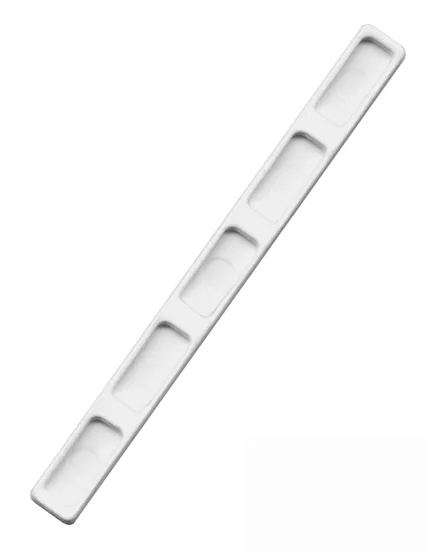
Bulk buying 9mm flat glazing packers is slightly different from bulk buying wider flat packers because FP9 is designed for a more specific purpose. Our FP9 packers are a compact 9 mm × 100 mm format intended for smaller glazing systems and tight glazing spaces, where width is limited but accurate support is still essential. That means buyers are not just deciding which thicknesses to stock, but also when a narrow-format packer is the right product to hold in volume.
What the FP9 Range Is Designed For
We use our FP9 glazing packers for precision packing and alignment in uPVC, aluminium, and timber frames. They are intended to help maintain correct glass positioning, reduce the risk of frame distortion and gasket stress, and deliver repeatable results in compact glazing applications. We make them from polypropylene, and they are designed to resist rot, moisture, and temperature changes, making them suitable for both internal and external use.
Why Trade Buyers Usually Stock FP9 for Specific Jobs, Not Every Job
Unlike wider flat glazing packers that may cover broader day-to-day support work, FP9 is most useful where the installation specifically benefits from a compact-width packer. We position it for windows, small glazed units, patio doors, and conservatories, and we describe it as ideal where space is limited. In practice, that means trade buyers often stock FP9 as a purpose-led line for tighter installations rather than as the only flat packer they carry. This is an inference based on the product’s compact dimensions and stated applications.
The Thicknesses Currently Available to Order
The available thicknesses for the FP9 product are:
- 1 mm
- 2 mm
- 3 mm
- 6 mm
Which FP9 Thicknesses Are Most Likely to Move First in Trade Stock
For most trade buyers, the FP9 thicknesses most likely to move first are usually:
- 2 mm
- 3 mm
That is because FP9 is positioned around tight glazing spaces and smaller frames, where installers are often making light to moderate corrections rather than large structural lifts. We position 2 mm for small spacing adjustments, minor frame inconsistencies, and light support in narrow glazing channels, while 3 mm is used for general glazing in smaller frames, moderate spacing corrections, and supporting lightweight sealed units. Based on those stated uses, these are likely to be the most practical day-to-day thicknesses in the FP9 range.
Why 2mm FP9 Packers Are More Important Than They Might Seem
In wider packer ranges, thinner sizes often act mainly as finishing stock. With FP9, 2 mm matters more because the whole product is aimed at compact installations. We recommend 2 mm for:
- small spacing adjustments
- minor frame inconsistencies
- light support in narrow glazing channels
That makes it a very useful working size for installers who regularly deal with tighter uPVC glazing sections where a lighter correction is often enough.
Why 3mm FP9 Packers Are a Strong Core Stock Line
Our 3 mm FP9 packers are likely to be one of the strongest core bulk sizes because they sit at the practical centre of compact glazing work. We use them for:
- general glazing in smaller frames
- moderate spacing corrections
- supporting lightweight sealed units
For buyers ordering FP9 in quantity, 3 mm is often the thickness that best balances support, correction, and flexibility within a narrow-format packer.
Where 1mm Fits Into a Bulk-Buying Strategy
Our 1 mm FP9 packers are more of a precision-support size than a main stock line. We use them for:
- fine alignment in tight spaces
- minor levelling adjustments
- final positioning of glazing units
That makes 1 mm valuable for finishing work and fine adjustment, but usually not the thickness that buyers will want to weight most heavily in their bulk-order profile.
Where 6mm Fits Into a Bulk-Buying Strategy
6 mm is best treated as the larger-correction thickness in the current FP9 range. For most buyers, this is likely to be a specialist support size rather than the main line to stock most heavily, because FP9 is fundamentally a compact packer for tighter installations. That conclusion is an inference based on the visible selectable 6 mm option and the compact-use positioning of FP9.
A Practical Stock Pattern for Trade Buyers
A sensible way to think about FP9 bulk buying is:
- keep 3 mm as a core compact-glazing stock size
- keep 2 mm as a high-utility support size for lighter corrections
- keep 1 mm for finishing and fine alignment
- keep 6 mm for jobs that still need a narrow-width packer but require a stronger lift
That creates a stock profile that matches how FP9 is actually intended to be used: not as a general flat packer for every situation, but as a compact solution for tighter installations. This summary is an inference based on the listed uses of the available thicknesses and the product’s stated role.
Why Many Buyers Order FP9 Alongside Wider Flat Packers
Because FP9 is specifically designed for tight glazing spaces, many installers and trade buyers are likely to treat it as a complementary line rather than a full replacement for wider flat glazing packers. In practical terms, that means FP9 bulk orders are often most useful for teams that already know they regularly encounter narrow glazing channels, smaller frames, or compact support points where wider packers are less practical. This is an inference from the product’s compact dimensions, stated use cases, and positioning.
Why FP9 Works Well for Trade Orders
Our FP9 range is a practical trade product because it combines:
- 9 mm × 100 mm dimensions
- a compact design for tight glazing spaces
- suitability for uPVC, aluminium, and timber frames
- packs of 1000
- bulk trade pricing available for larger quantities
- same-day dispatch for orders placed before 1 PM, Monday to Friday
For buyers who want a repeat-use narrow-format packer in steady supply, that makes FP9 straightforward to stock and reorder.
Final Thoughts
If you are bulk buying 9mm flat glazing packers, the thicknesses installers are most likely to use most often are usually 2 mm and 3 mm, because FP9 is designed for tight glazing spaces and smaller frames, where light to moderate corrections are often the most common requirement. 1 mm is useful for fine finishing work, while 6 mm is better treated as a specialist stock size for larger corrections within the same narrow-width format.
For many trade buyers, the best FP9 buying strategy is to build stock around 2 mm and 3 mm, while keeping 1 mm and 6 mm available to cover the full range of compact glazing adjustments.