
Blog
Which Flat Glazing Packers Should Installers Keep in Stock?

For professional installers, flat glazing packers are not something to buy only when a job comes in. They are everyday consumables used across window, door, glazing, conservatory, and frame installation work.
The problem is that not every job needs the same packer. Different glazing systems, frame types, unit weights, and site conditions all affect which size and thickness should be used.
That is why installers should keep a sensible working stock of flat glazing packers rather than relying on one width or one thickness. The right stock setup helps prevent delays, reduces improvisation, and makes sure every job can be completed properly.
Why Installers Need More Than One Packer Size
Flat glazing packers are used to support, level, and space sealed units within the frame. They help keep glass units square, stable, and correctly aligned.
But the correct packer depends on the job.
A compact glazing setup may need a narrower packer. A general uPVC window job may need a standard everyday option. A wider glazing system or heavier unit may need a larger support surface.
For that reason, installers should normally stock more than one flat glazing packer size.
The main sizes to consider are:
- 20mm flat glazing packers
- 24mm flat glazing packers
- 28mm flat glazing packers
Each one has a different role in a proper trade stock setup.
The Three Main Flat Glazing Packer Sizes to Stock
A practical installer stock range should cover narrow, standard, and wider glazing applications.
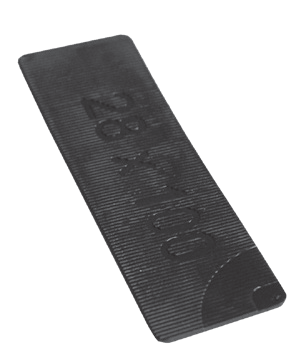
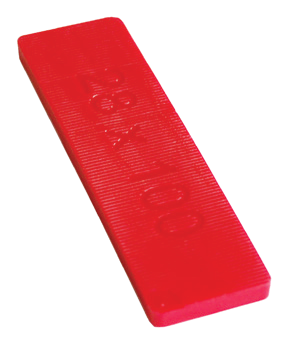
20mm Flat Glazing Packers
Price range: £21.99 through £148.94 Exc. VAT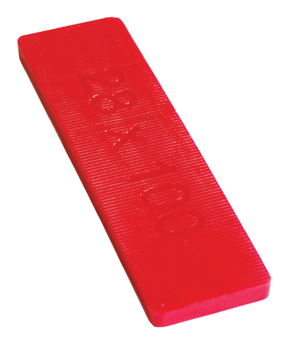
24mm Flat Glazing Packers
Price range: £23.99 through £171.94 Exc. VAT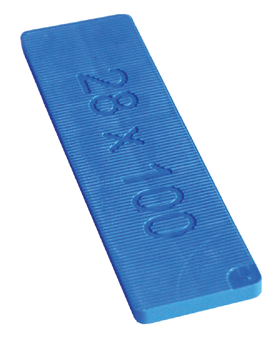
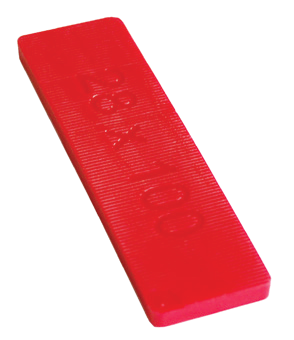
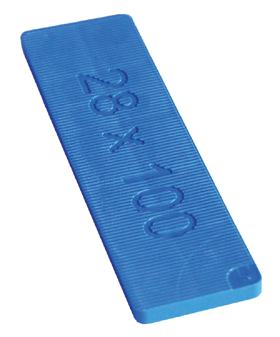
28mm Flat Glazing Packer
Price range: £24.99 through £178.94 Exc. VAT20mm flat glazing packers
Best for narrower systems, compact support points, and standard window or door glazing where a wider packer is not required.
24mm flat glazing packers
Best as a versatile middle option for general glazing work across uPVC, aluminium, and timber frames.
28mm flat glazing packers
Best for wider glazing systems, larger support areas, and heavier or more demanding glazing jobs.
Stocking all three sizes gives installers flexibility across different jobs without overcomplicating the van or warehouse stock.
Why 20mm Flat Glazing Packers Are Worth Keeping in Stock
Installers should keep 20mm flat glazing packers in stock for jobs where a narrower support point is needed.
They are useful for:
- 20mm glazing systems
- standard window glazing
- door glazing
- compact frame areas
- sealed unit support
- conservatories
- uPVC, aluminium, and timber frames
The 20mm size is especially useful where the available space is more limited or where a wider packer would be unnecessary.
For installers working across smaller or narrower systems, 20mm packers are a sensible stock item.
Which 20mm Thicknesses Should Installers Stock?
The 20mm range is available in:
- 1mm
- 2mm
- 3mm
- 5mm
For most installers, the key 20mm thicknesses to keep in stock are:
- 3mm
- 5mm
Use 3mm for standard everyday support.
Use 5mm for larger gaps, stronger support, or base packing.
The 1mm and 2mm thicknesses are still useful, but they are more suited to fine adjustment and light correction rather than being the main stock sizes.
A practical 20mm stock setup would be:
- higher stock of 3mm
- good stock of 5mm
- smaller stock of 1mm and 2mm
Why 24mm Flat Glazing Packers Are a Strong Everyday Option
Installers should keep 24mm flat glazing packers in stock because they are a very useful middle-ground size.
They give more width than 20mm packers but are not as wide as 28mm packers. That makes them a practical general-purpose option for many glazing jobs.
They are useful for:
- uPVC window and door installation
- aluminium frames
- timber frames
- sealed units
- conservatories
- curtain walling
- general levelling and support
For many installers, 24mm flat glazing packers are one of the most flexible sizes to carry.
Which 24mm Thicknesses Should Installers Stock?
The 24mm range is available in:
- 1mm
- 2mm
- 3mm
- 4mm
- 5mm
- 6mm
For most installers, the core 24mm stock thicknesses should be:
- 3mm
- 4mm
- 5mm
Use 3mm for standard everyday glazing support.
Use 4mm for moderate correction, uneven openings, or slightly heavier sections.
Use 5mm where stronger support or larger spacing is required.
The 1mm and 2mm sizes are useful for finishing and fine correction, while 6mm is useful for larger gaps, base support, and high load-bearing points.
A practical 24mm stock setup would be:
- strong stock of 3mm
- strong stock of 4mm
- strong stock of 5mm
- smaller stock of 1mm, 2mm, and 6mm
Why 28mm Flat Glazing Packers Are Important for Trade Installers
Installers should keep 28mm flat glazing packers in stock when working with wider glazing systems or heavier sealed units.
The wider support surface makes them useful for jobs where stronger and more stable support is required.
They are useful for:
- 28mm glazing systems
- larger sealed units
- uPVC windows and doors
- aluminium and timber frames
- conservatories
- curtain walling
- wider support points
- heavier glazing jobs
If your work regularly involves larger units or wider frame systems, 28mm flat glazing packers should be part of your core stock.
Which 28mm Thicknesses Should Installers Stock?
The 28mm range is available in:
- 1mm
- 2mm
- 3mm
- 4mm
- 5mm
- 6mm
For most installers, the key 28mm thicknesses are:
- 3mm
- 4mm
- 5mm
Use 3mm for standard glazing support.
Use 4mm for medium adjustments and slightly misaligned frames.
Use 5mm for stronger support, heavier units, and larger gaps.
The 6mm thickness is useful for higher load-bearing points and base support, while 1mm and 2mm are best for finer adjustments.
A practical 28mm stock setup would be:
- strong stock of 3mm
- strong stock of 4mm
- strong stock of 5mm
- smaller stock of 1mm, 2mm, and 6mm
The Most Useful Thicknesses Across All Flat Packers
Across 20mm, 24mm, and 28mm flat glazing packers, the thicknesses installers are most likely to use regularly are:
- 3mm
- 4mm
- 5mm
These thicknesses cover a large share of standard glazing work.
3mm
Best for standard everyday support and general glazing jobs.
4mm
Best for moderate corrections, uneven openings, and slightly heavier sections.
5mm
Best for larger gaps, stronger support, and heavier sealed units.
If an installer is building trade stock from scratch, these are the thicknesses to prioritise first.
Adjustment Sizes Installers Should Still Keep Available
Even though 3mm, 4mm, and 5mm are the main working sizes, installers should still keep adjustment sizes available.
1mm
Useful for final levelling, fine adjustment, and small corrections.
2mm
Useful for minor spacing adjustments and light levelling.
6mm
Useful where available for larger gaps, base packing, and stronger support requirements.
These sizes may not move as quickly as the core thicknesses, but they are still important when the job calls for them.
A Practical Van Stock Setup for Installers
A sensible flat glazing packer setup for an installer’s van would be:
- 20mm flat glazing packers: 3mm and 5mm
- 24mm flat glazing packers: 3mm, 4mm, and 5mm
- 28mm flat glazing packers: 3mm, 4mm, and 5mm
Then add:
- 1mm and 2mm options for fine adjustment
- 6mm options in 24mm and 28mm where larger gaps or stronger support are needed
This gives installers a strong working stock without carrying unnecessary quantities of every possible size.
A Practical Warehouse Stock Setup for Glazing Firms
For glazing firms, maintenance companies, or contractors with multiple installers, stock should be managed at a slightly larger scale.
A practical warehouse setup could include:
- multiple packs of 24mm 3mm, 4mm, and 5mm
- multiple packs of 28mm 3mm, 4mm, and 5mm
- regular stock of 20mm 3mm and 5mm
- lower quantities of adjustment sizes
- separate stock of bridge packers and wedge packers
This allows the business to issue consistent stock to each van and avoid last-minute purchasing.
Why Installers Should Not Rely on One Width Only
Some installers try to simplify stock by carrying only one flat glazing packer width. That can work for very repetitive jobs, but it is not ideal for varied installation work.
If the packer is too narrow, it may not provide the support area wanted for the job.
If the packer is wider than needed, it may be less practical in compact frame areas.
Keeping 20mm, 24mm, and 28mm options available gives installers more control and reduces the chance of using the wrong product simply because it is the only one in the van.
Why Installers Should Not Rely on One Thickness Only
Carrying only one thickness creates similar problems.
If the packer is too thin, the unit may not be supported properly.
If the packer is too thick, it may create unnecessary pressure or make the fit less accurate.
A proper stock setup should include:
- core working thicknesses for everyday use
- lighter thicknesses for adjustment
- heavier thicknesses for larger gaps and load support
This gives installers a cleaner and more professional way to handle different site conditions.
Flat Packers to Stock Alongside Bridge and Wedge Packers
Flat glazing packers are essential, but they are not the only packers installers should carry.
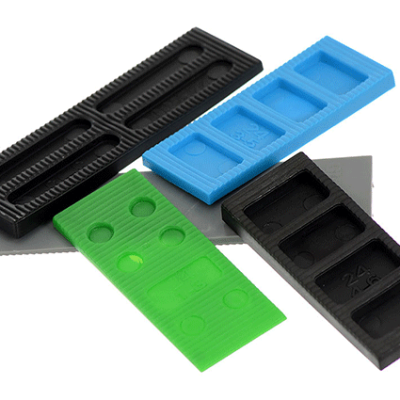
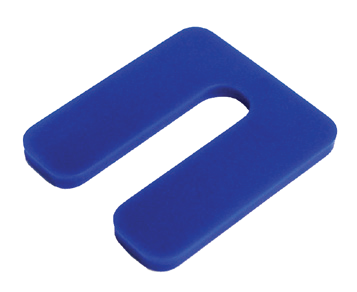
30x80mm Wedge Glazing Packers
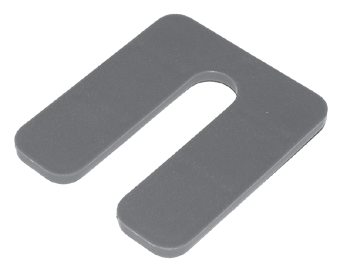
53x62mm Frame Packers
Price range: £43.99 through £108.99 Exc. VAT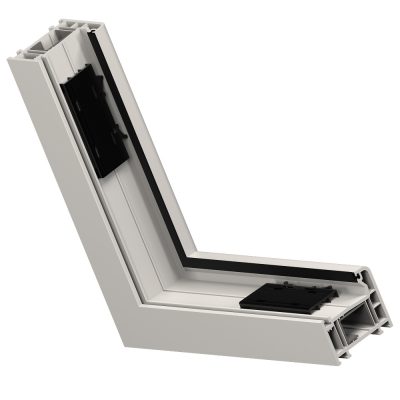
MSBP (Multi System Bridge Packer)
£39.99 Exc. VATA proper trade setup should also include:
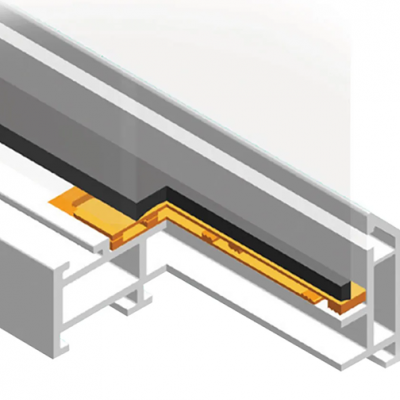
- bridge packers for suitable systems where drainage and ventilation beneath the sealed unit matter
- wedge packers for fine adjustment and levelling work
- frame packers for door and window frame installation where required
Flat packers handle a large part of the work, but bridge and wedge packers complete the kit.
Recommended Stock for Self-Employed Installers
For a self-employed installer or small team, a good starting stock would be:
- 20mm flat glazing packers in 3mm and 5mm
- 24mm flat glazing packers in 3mm, 4mm, and 5mm
- 28mm flat glazing packers in 3mm, 4mm, and 5mm
- smaller quantities of 1mm and 2mm
- 6mm where available for heavier support
- bridge packers for compatible uPVC systems
- wedge packers for precision adjustment
This setup covers most regular window and door glazing jobs without overloading the van.
Recommended Stock for Larger Installation Companies
For larger companies, stock planning should be based on usage across multiple installers.
A stronger setup would be:
- bulk packs of 24mm 3mm, 4mm, and 5mm
- bulk packs of 28mm 3mm, 4mm, and 5mm
- bulk packs of 20mm 3mm and 5mm
- adjustment stock in 1mm and 2mm
- 6mm stock for larger gaps and base support
- bridge packers for suitable uPVC systems
- wedge packers for levelling and fine adjustment
This helps standardise van stock and makes it easier for every installer to work with the same materials.
Final Thoughts
Installers should keep a practical range of flat glazing packers in stock rather than relying on one size or one thickness.
For most trade buyers, the core flat glazing packer stock should include:
- 20mm flat glazing packers for narrower systems and compact support points
- 24mm flat glazing packers for general-purpose glazing work
- 28mm flat glazing packers for wider systems and heavier support requirements
The most useful thicknesses to prioritise are usually:
- 3mm
- 4mm
- 5mm
Then keep 1mm and 2mm for fine adjustment and 6mm where available for larger gaps or stronger support.
Explore our flat glazing packer range: